

Quick answer: The standard Mounjaro dosage starts at 2.5 mg once weekly for four weeks. After this initiation phase, healthcare providers typically increase the dose to 5 mg once weekly. Depending on individual tolerability and treatment goals, the dosage can be gradually increased in 2.5 mg increments, up to a maximum of 15 mg weekly.
Understanding how to use your medication correctly is the most important step in any weight management or diabetes treatment plan. Mounjaro (tirzepatide) has gained significant attention for its effectiveness in helping patients manage their blood sugar levels and achieve substantial weight loss. Because this medication mimics the body’s natural hormones to regulate appetite and insulin, taking the correct amount at the correct time is essential.
Navigating a new medication schedule can feel overwhelming. Patients often have questions about how much to take, when to increase their dose, and how to minimise potential side effects. This comprehensive guide breaks down the Mounjaro dosage schedule, explaining the titration process and providing actionable tips to help you manage your treatment safely and effectively.
What are the different Mounjaro dosages available?
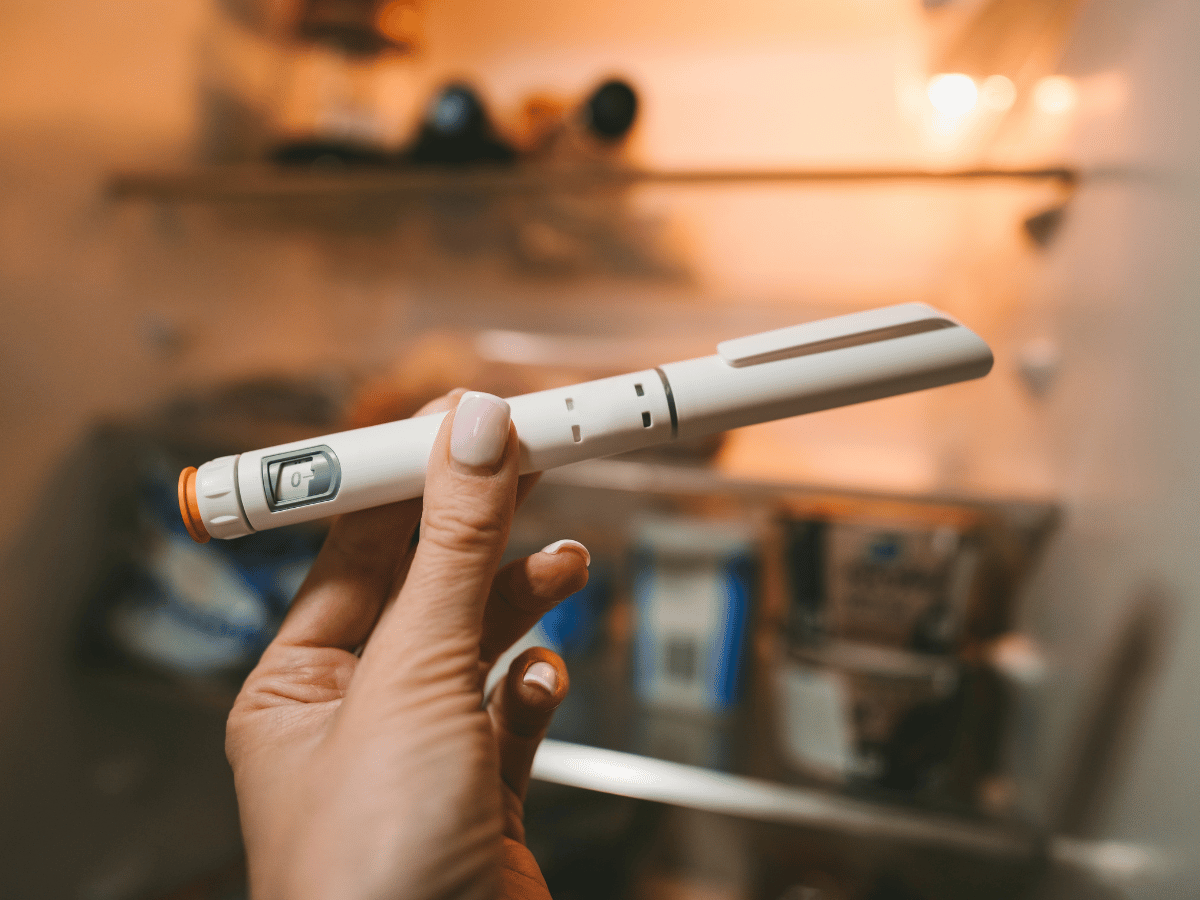
Mounjaro (tirzepatide) is delivered via a pre-filled injection pen. To help patients build tolerance to the medication, the manufacturer provides it in six different strengths.
The available Mounjaro dosages include:
- 2.5 mg
- 5 mg
- 7.5 mg
- 10 mg
- 12.5 mg
- 15 mg
Each dose is designed to be taken once a week. The lower doses serve to introduce the medication to your body, while the higher doses are intended for long-term maintenance and maximum therapeutic benefit.
What is the recommended starting dose and titration schedule for Mounjaro?
When you begin treatment, your body needs time to adjust to the medication. Healthcare providers prescribe a “titration schedule” to help your digestive system adapt and to minimise gastrointestinal side effects.
The standard Mounjaro titration schedule follows this timeline:
- Month 1 (Weeks 1-4): Start with 2.5 mg once weekly. This is an initiation dose and is not intended for long-term weight management.
- Month 2 (Weeks 5-8): Increase to 5 mg once weekly.
- Month 3 (Weeks 9-12): Increase to 7.5 mg once weekly, if needed and tolerated.
- Month 4 (Weeks 13-16): Increase to 10 mg once weekly, if needed and tolerated.
- Month 5 (Weeks 17-20): Increase to 12.5 mg once weekly, if needed and tolerated.
- Month 6 (Weeks 21 onwards): Increase to the maximum dose of 15 mg once weekly, if needed and tolerated.
You should only increase your dose under the direct supervision of a healthcare professional. Some patients achieve excellent results on lower maintenance doses, such as 5 mg or 10 mg, and never need to reach the maximum 15 mg dosage.
Which factors influence Mounjaro dosage adjustments?
Your healthcare provider will continually assess your progress to determine the best dosage for you. Choose to stay on your current dose if you are experiencing significant side effects, or if you are already meeting your weight loss and glycaemic goals.
Key factors influencing dosage adjustments include:
- Tolerability: If you experience severe nausea or other side effects, your prescriber may advise you to remain on your current dose for a longer period before stepping up.
- Treatment goals: If your weight loss plateaus or your blood sugar levels are not adequately controlled on a lower dose, your provider may recommend moving to the next dosage strength.
- Individual health markers: Existing medical conditions and your overall response to the medication will guide your specific treatment pathway.
How should you administer your Mounjaro injection?
Proper administration ensures you receive the full benefit of the medication. Mounjaro is administered as a subcutaneous injection, meaning it goes into the fatty tissue just beneath the skin.
Follow these best practices for administering Mounjaro:
- Choose the right injection site: The most common injection sites are the abdomen (at least two inches away from the belly button), the front of the thighs, or the back of the upper arms.
- Rotate your sites: Rotate your injection site each week to prevent skin irritation and ensure proper absorption.
- Pick a consistent day: Administer the medication on the same day each week, at any time of day, with or without food.
- Check the pen: Before injecting, visually inspect the liquid in the pen. It should be clear and colourless to slightly yellow.
What are the potential side effects of Mounjaro and how can you manage them?
Because Mounjaro affects the digestive system by slowing down gastric emptying, gastrointestinal side effects are common, particularly when starting the medication or increasing the dose.
Common side effects include:
- Nausea
- Diarrhoea
- Decreased appetite
- Vomiting
- Constipation
- Indigestion
You can manage these symptoms with a few practical lifestyle adjustments. Eat smaller, more frequent meals rather than large portions. Avoid high-fat, greasy, or overly spicy foods, as these can exacerbate nausea. Finally, prioritise hydration by drinking plenty of water throughout the day, especially if you are experiencing diarrhoea or vomiting. If side effects persist or become unmanageable, contact your healthcare provider immediately.
How does Mounjaro interact with other weight loss or diabetes medications?
Mounjaro (tirzepatide) should be used carefully if you are taking other medications. Because it lowers blood sugar, combining it with other diabetes treatments requires close medical supervision.
- Insulin and Sulfonylureas: Taking Mounjaro alongside insulin or insulin secretagogues can increase the risk of hypoglycaemia (low blood sugar). Your doctor may need to lower the dose of your other medications.
- Other GLP-1 medications: You should never combine Mounjaro with other GLP-1 receptor agonists (such as Wegovy or Ozempic), as this increases the risk of severe side effects and toxicity.
- Oral medications: Because Mounjaro slows stomach emptying, it can affect how quickly oral medications are absorbed. Discuss all your current medications with your pharmacist or doctor before starting treatment.
Frequently asked questions about Mounjaro dosages
What happens if I miss a dose of Mounjaro?
If you miss a dose of Mounjaro, take it as soon as possible within 4 days (96 hours) of the missed dose. If more than 4 days have passed, skip the missed dose and take your next dose on your regularly scheduled day. Never take two doses within 3 days (72 hours) of each other.
How long does it take for Mounjaro to start working?
Mounjaro begins working to lower blood sugar and regulate appetite within the first few days of your first 2.5 mg dose. However, significant weight loss and optimal blood sugar control typically become more noticeable after you reach the higher maintenance doses (5 mg and above) over several weeks or months.
Can I stay on the 2.5 mg starting dose of Mounjaro permanently?
The 2.5 mg dose is intended strictly for treatment initiation and helping your body adapt to the medication. Clinical guidelines recommend stepping up to at least the 5 mg dose for long-term maintenance and therapeutic effectiveness, provided you can tolerate it.
Maximising your therapeutic benefits with the right Mounjaro dosage
Achieving your health and weight loss goals with Mounjaro (tirzepatide) relies heavily on following the correct titration schedule and listening to your body. By starting at the lowest dose and gradually working your way up under medical supervision, you can minimise side effects while maximising the medication’s effectiveness.
Building healthy habits, eating a balanced diet, and staying in close communication with your healthcare provider will ensure you get the best possible results from your treatment.
Ready to take control of your weight management journey? Book a free weight loss consultation with Kingsley Muti Pharmacy today. Our expert pharmacists will help you understand your options, tailor a dosage plan to your unique needs, and support you every step of the way.