

Quick answer: A weight loss plateau occurs when your metabolism adapts to a lower caloric intake and weight loss stalls. To break through a weight loss plateau, you must recalculate your daily calorie requirements, incorporate strength training to build muscle mass, prioritise dietary protein, and manage sleep and stress levels to regulate appetite hormones.
You step on the scale after a week of perfect meal planning and consistent workouts, only to see the exact same number staring back at you. After weeks or months of steady progress, your results have suddenly stalled. This sudden halt can feel deeply demotivating, leading many individuals to abandon their health goals entirely.
This frustrating phase is known as a weight loss plateau. A weight loss plateau is a completely normal physiological response where your body adapts to your new weight and calorie intake, causing your initial rapid progress to slow down and eventually stop. It is a natural part of almost every health journey, rather than a sign of failure.
To restart your progress, you need to look beyond simply eating less and exercising more. By understanding the underlying biological causes of a weight loss plateau and implementing targeted, evidence-based strategies, you can prompt your body to begin changing once again.
Why do weight loss plateaus happen? Understanding the science
Your body is a highly complex biological machine designed to ensure your survival. When you lose weight, a series of physiological changes occur that naturally slow down the rate at which you burn calories.
How does metabolic adaptation affect calorie burning?
As you lose mass, your body requires less energy to function and move around. This process, known as metabolic adaptation, means that the caloric deficit that initially caused you to lose weight is now your new maintenance level. Your metabolism becomes highly efficient, burning fewer calories to perform the same daily tasks.
Why does your body strive for homeostasis?
The human body naturally resists change. It operates on a principle called homeostasis, a built-in desire to maintain a stable, constant internal environment. When you subject your body to a caloric deficit, it interprets this as a potential threat of starvation. Consequently, the body defends its energy stores by lowering your resting metabolic rate.
What role do hormones play in stalling weight loss?
Hormonal shifts play a significant role in weight management. As fat stores decrease, your body produces less leptin, the hormone responsible for signalling fullness. Simultaneously, it increases the production of ghrelin, the hunger hormone. Thyroid hormones, which regulate metabolism, may also decrease during periods of restricted eating, further slowing down your metabolic rate.
Could you be losing fat but gaining muscle?
If you have started a new exercise programme, particularly one involving resistance training, your body composition is likely changing. You may be losing body fat while simultaneously building dense muscle tissue. Because muscle weighs more than fat by volume, the bathroom scale might not move, even though you are actively reducing your overall body fat percentage.
What are the most common causes of a weight loss plateau?
Identifying the specific behaviours that contribute to a stalled metabolism is essential for overcoming it. Several everyday factors can quietly sabotage your progress:
- Calorie creep: Over time, portion sizes can gradually increase without you noticing. An extra spoonful of dressing or a small handful of nuts can add enough daily calories to erase a deficit.
- Exercise adaptation: As your cardiovascular fitness improves, your body becomes more efficient at performing the same workout, resulting in fewer calories burned per session.
- Lack of sleep: Poor sleep severely disrupts hormones, increasing cortisol and ghrelin while decreasing leptin. This leads to increased appetite and decreased metabolic efficiency.
- Chronic stress: High stress levels keep cortisol continually elevated. Elevated cortisol promotes fat storage, particularly visceral fat around the abdomen.
- Insufficient protein intake: Protein is crucial for preserving muscle mass during a calorie deficit. Low protein intake can lead to muscle loss, which directly lowers your resting metabolic rate.
- Dehydration: Water is necessary for cellular metabolism. Mild dehydration can slow down metabolic processes and reduce your overall energy levels.
How can you break through a weight loss plateau effectively?
When the scale stops moving, you must change the stimulus you are providing to your body. Expert dietitians recommend several tactical adjustments to restart your metabolism.
How should you adjust your dietary approach?
You must re-evaluate your current caloric intake based on your new, lighter body weight. However, drastically cutting calories is rarely the answer. Instead, consider calorie cycling (also known as a zig-zag diet), where you alternate between higher and lower calorie days to prevent your metabolism from adapting to a single intake level. Ensure you maintain a small, strategic deficit rather than an aggressive restriction that triggers muscle loss.
What changes should you make to your exercise routine?
To combat exercise adaptation, you must vary your workouts. Incorporate strength training to build metabolically active muscle tissue. Adding high-intensity interval training (HIIT) can also maximise calorie burn in a shorter time frame. Trying entirely new activities, such as swimming or cycling, forces your body to adapt to unfamiliar movement patterns.
How can you optimise macronutrients and hydration?
Increasing your daily protein intake preserves lean muscle mass and enhances satiety through the thermic effect of food (protein requires more energy to digest than carbohydrates or fats). Focus your remaining calories on complex carbohydrates and healthy fats to maintain stable energy levels. Furthermore, ensure you drink enough water throughout the day to support metabolic function and liver health.
Why must you prioritise sleep and stress management?
Establishing a consistent sleep schedule of seven to nine hours per night is vital for hormonal regulation. Complement this by practising mindfulness, meditation, or yoga to lower chronic cortisol levels. When your body feels safe and rested, it is much more likely to release stored body fat. If you find these lifestyle factors difficult to manage, seeking professional guidance from dietitians or personal trainers can provide accountability and personalised strategies.
How should you track progress beyond the bathroom scale?
The scale provides an incomplete picture of human health. To maintain a clear view of your progress, you should track multiple metrics.
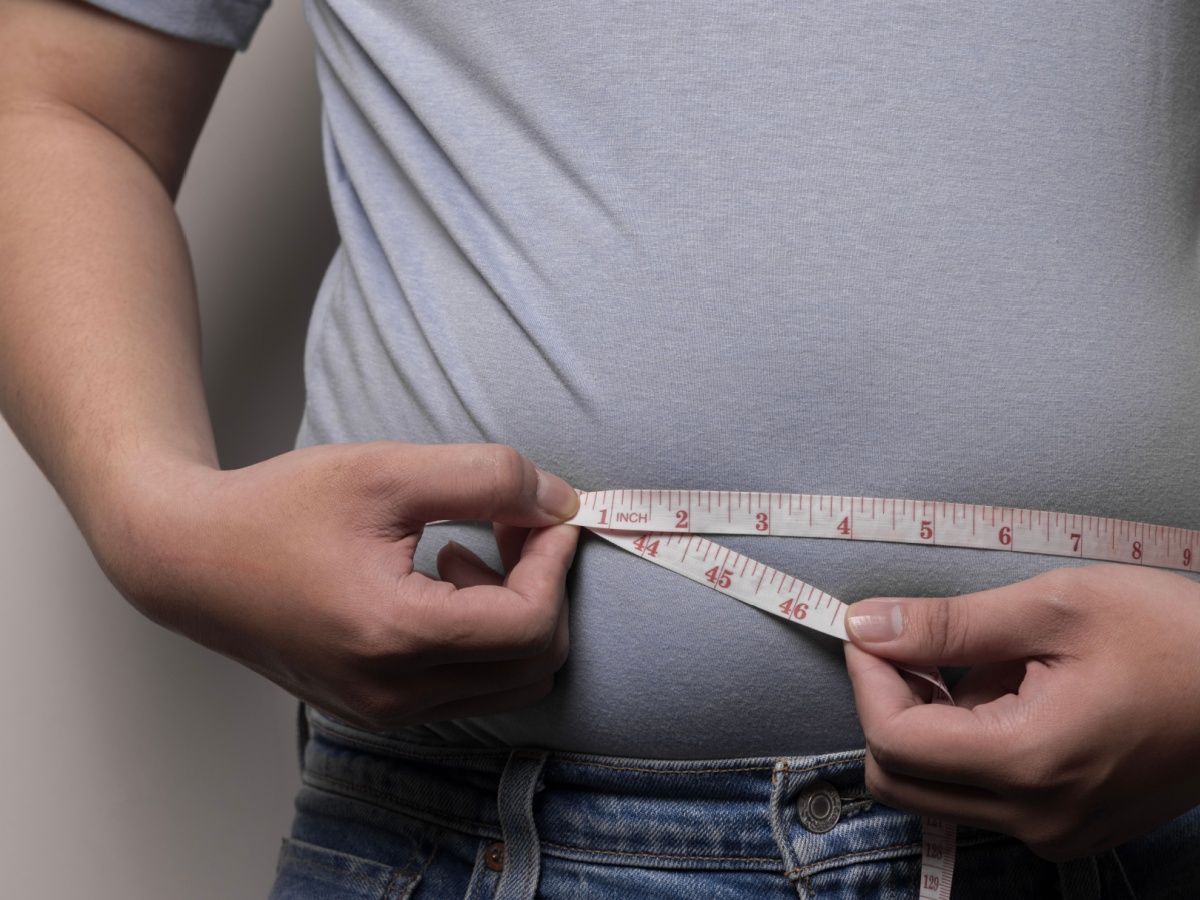
Taking regular body measurements of your waist, hips, and arms can reveal fat loss even when your overall weight remains static. Monitoring your body fat percentage provides a much more accurate reflection of body composition. Taking consistent progress photos in the same lighting allows you to see visual changes over time. Finally, pay attention to how your clothes fit and note any improvements in your daily energy levels and strength gains during workouts.
How can you maintain patience and motivation during a plateau?
Weight loss is rarely a linear process. Understanding that plateaus are a normal, expected phase of the journey can help alleviate unnecessary frustration. Focus on celebrating non-scale victories, such as running a faster mile, sleeping soundly through the night, or noticing a drop in your blood pressure.
Long-term weight management relies on sustainable lifestyle changes rather than rapid fixes. Be kind to yourself, practise self-compassion, and recognise that maintaining your current weight is still a massive physiological achievement compared to gaining weight back.
Restart your weight loss journey today
Overcoming a weight loss plateau requires a strategic combination of recalculating your nutrition, mixing up your physical activity, and aggressively managing sleep and stress. By applying these evidence-based adjustments, you can guide your body out of homeostasis and back into a fat-burning state.
If you are struggling to break through a persistent plateau and need expert support, we are here to help. Book a free weight loss consultation at Kingsley Muti Pharmacy today. Our experienced team can help you assess your current habits, identify hidden roadblocks, and build a sustainable, personalised plan to help you reach your health goals.
Frequently Asked Questions
How long does a weight loss plateau usually last?
A true weight loss plateau typically lasts anywhere from two to four weeks. If your weight remains completely unchanged for more than a month despite strict adherence to a calorie deficit and exercise routine, you likely need to adjust your caloric intake or physical activity levels.
Should I eat fewer calories to break a weight loss plateau?
Not necessarily. While you do need to recalculate your maintenance calories based on your new body weight, drastically cutting calories can backfire by causing muscle loss and further slowing your metabolism. Choose a small deficit of 200 to 300 calories or try calorie cycling.
Can stress cause a weight loss plateau?
Yes, chronic stress is a major contributor to weight loss plateaus. Prolonged psychological stress elevates cortisol levels, which increases your appetite for high-calorie foods and encourages your body to store visceral fat around your midsection, halting your progress.