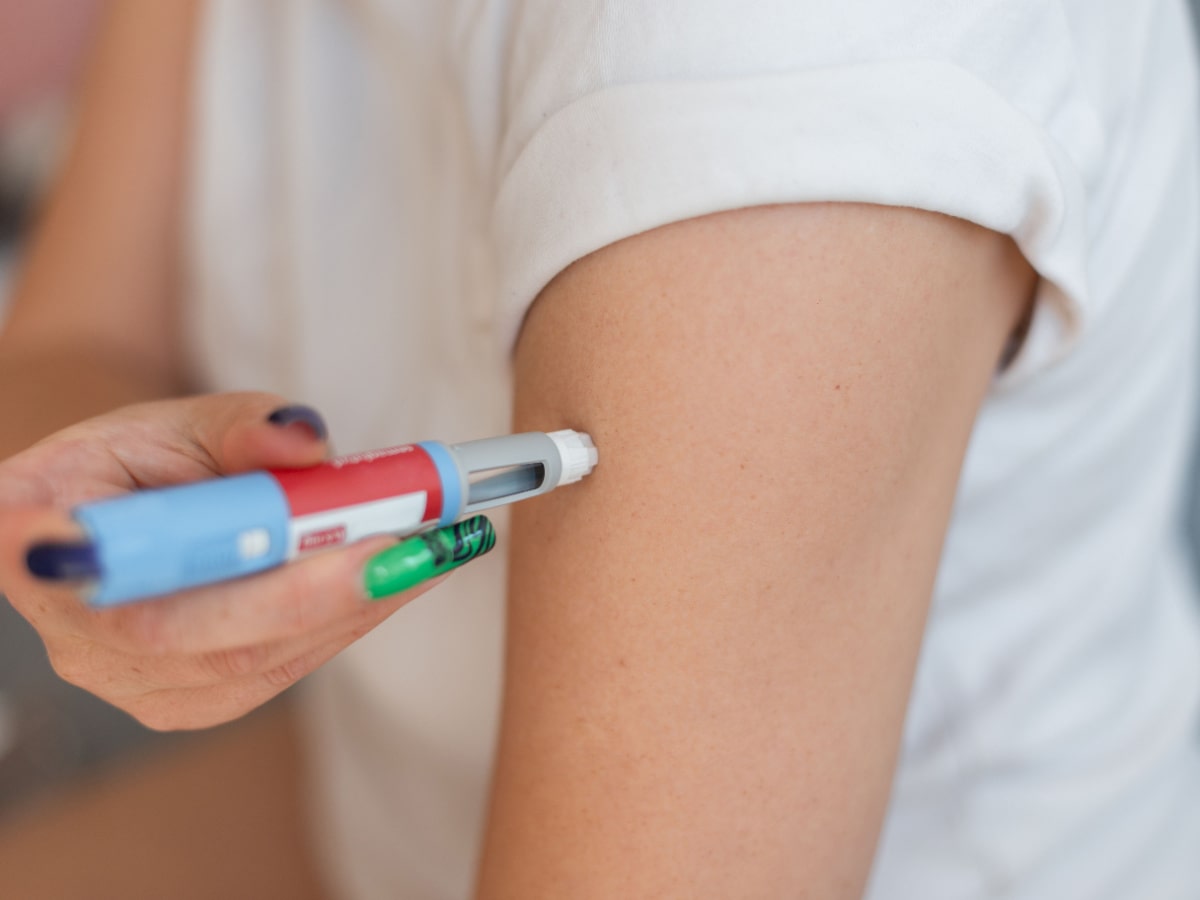

Prescription weight-loss injections have been making waves for some time in the competitive world of weight management. For individuals struggling with obesity or difficulty shedding excess weight, these expert-designed treatments aim to simplify the process with measurable results. With their increasing popularity and endorsement by healthcare professionals, weight-loss injections such as Wegovy, Mounjaro, and Ozempic are emerging as a promising solution.
This blog will explore how these injections work, their benefits, potential risks, and how you can incorporate them into your weight-loss strategy with proper medical consultation.
How Do Prescription Weight-Loss Injections Work?
Prescription weight-loss injections rely on GLP-1 receptor agonists, a compound that mimics certain naturally occurring hormones in your body. These hormones target essential digestive and metabolic functions to aid weight loss. Here’s an overview of the mechanisms of action, which work hand-in-hand to help you shed weight effectively:
- Appetite Suppression: By activating appetite-control centres in your brain, these injections help you feel full for longer, significantly reducing unnecessary cravings.
- Slowing Digestion: By delaying stomach emptying, these medications decrease calorie intake over time.
- Blood Sugar Regulation: They promote insulin production, helping to stabilise blood sugar levels and thwart rebound cravings induced by fluctuating glucose levels.
By combining these mechanisms, weight-loss injections offer a holistic way to control hunger and maintain healthier eating habits.
Most Common Prescription Weight-Loss Injectables
There are several FDA and MHRA-approved options for prescription weight-loss injections. Each comes with specific uses and benefits tailored to different needs.
1. Mounjaro (Tirzepatide)
- Purpose: Originally designed for blood sugar control in type 2 diabetes, it also leads to significant weight reduction.
- How It Works: Activates both GLP-1 and GIP receptors, curbing appetite and enhancing fat metabolism.
- Effectiveness: Consumers report up to 20% body weight loss after consistent use over months.
2. Wegovy (Semaglutide)
- Purpose: Specifically approved for long-term weight management among obese or overweight adults.
- How It Works: Regulates appetite by mimicking hormones responsible for hunger signalling.
- Effectiveness: Clinical trials demonstrate an average 15% body weight reduction within 15 months.
3. Ozempic (Semaglutide)
- Purpose: Primarily used for controlling type 2 diabetes, often leveraged off-label for aiding weight loss.
- How It Works: Lowers appetite and slows digestion through GLP-1 receptor activation.
- Effectiveness: Significant weight loss with gradual dosing increases.
These injectables are typically prescribed as weekly self-administered injections, making them user-friendly and simple to integrate into your health routine.
The Benefits of Prescription Weight-Loss Injections
- Significant Weight Loss: Users often lose 10-20% of their body weight with proper use, combined with lifestyle changes.
- Improved Blood Sugar Levels: Particularly beneficial for pre-diabetics or diabetics, thanks to increased insulin regulation.
- Heart Health Benefits: Research shows lower risks of cardiovascular events such as heart attacks and strokes in users of some medications, like Wegovy.
- Enhanced Appetite Control: Reduced cravings and better portion control.
However, to maximise results, it’s crucial these medical tools act as a part of a holistic weight-loss plan involving a healthy diet and regular exercise.
Risks and Side Effects to Consider
No treatment is risk-free, and prescription weight-loss injections are no exception. Side effects are generally mild and temporary but vary depending on the injectable.
Common Side Effects
- Nausea, vomiting, or diarrhoea
- Constipation and abdominal discomfort
- Fatigue and dizziness
Serious Risks
- Rare thyroid or pancreatic problems
- Allergic reactions
- Gallbladder inflammation
Who Should Avoid Weight-Loss Injectables?
These injectables are unsuitable for individuals with specific conditions, such as thyroid cancer history, chronic pancreatic issues, or allergies to injectable components. Always consult a healthcare professional to determine if weight-loss injections are right for you.
Who Is a Good Candidate for Prescription Weight-Loss Injections?
Prescription weight-loss injections are typically prescribed for individuals who meet the following criteria:
- BMI of 30 or higher (obesity)
- BMI of 27 or higher with weight-related health conditions (e.g., high blood pressure, type 2 diabetes, or sleep apnoea).
- Difficulty losing weight through traditional methods like diet and exercise alone.
If you meet these parameters, weight-loss injections could be an effective addition to your weight-loss strategy.
How to Get Started with Weight-Loss Injections
The road to treatment begins with consultation with a reputable healthcare provider. Here’s what to expect during your first steps:
1. Schedule a Consultation
Find a weight-loss-focused clinic, like Kingsley Muti, for discreet and professional guidance.
2. Assessment and Screening
Your doctor or prescribing pharmacist will evaluate your medical history, weight-related conditions, and lifestyle to confirm suitability.
3. Prescription and Education
Once approved, you’ll receive instructions on administering injections and tips for minimising side effects.
4. Monitoring and Support
Your provider may schedule follow-ups to check your progress and adjust doses or complementary treatments as necessary.
Why Lifestyle Changes Are Essential
While injections help control appetite and metabolism, the foundation of successful weight loss lies in sustainable lifestyle changes. Here are some key steps to maximise your results:
Balanced Diet
- Focus on whole foods, lean proteins, natural fats, and fiber-rich vegetables.
- Limit processed foods, refined carbs, and added sugar.
Regular Physical Activity
- Aim for 150 minutes of moderate activity per week, such as brisk walking or cycling.
- Include strength training to preserve muscle mass during weight loss.
Mindful Eating
Practise portion control, avoid emotional eating, and track meals to stay accountable.
For personalised advice, your healthcare team can recommend tailored diet and fitness plans to suit your lifestyle and goals.
Empower Your Weight-Loss Journey
Prescription weight-loss injections are revolutionising the way we approach excess weight and obesity. But they work best when combined with professional guidance, a balanced diet, and regular exercise. If you’re ready to transform your health and lifestyle, consult with a trusted provider to explore how medical weight-loss options can help you achieve your goals.
Take the first step today. Schedule your consultation now.